

Solar
Rooftop Solar for Homeowners: A Practical Guide
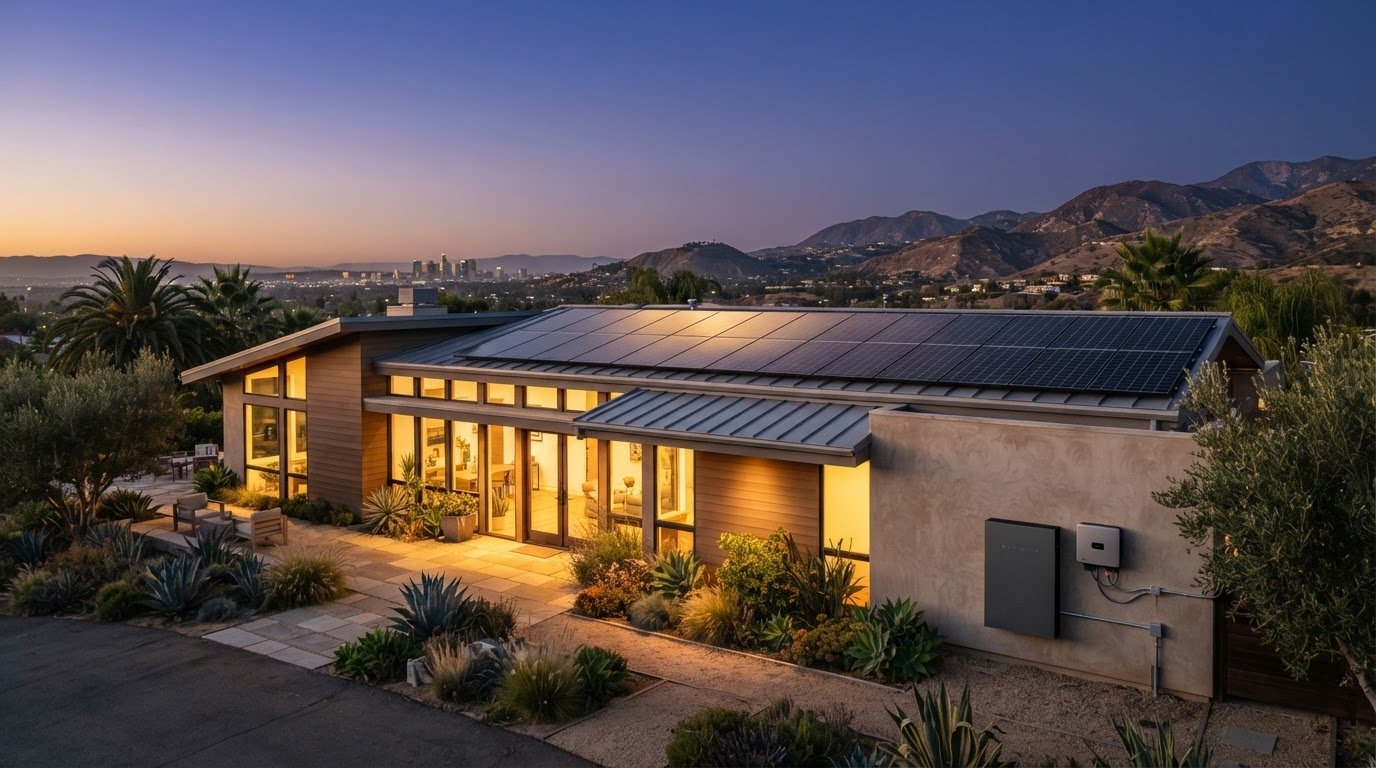
Before choosing rooftop solar panels for homeowners, check how the roof, household electricity use, and utility requirements work together. A sunny roof helps, but it’s only one part of deciding whether solar suits your home.
It’s understandable to have questions before making a change to your home. Roof condition and shade matter, as do the system’s components, from panels and inverters to optional battery storage and the utility connection. Permits, inspections, and installer coordination can also feel like a lot to manage.
This guide explains how a rooftop solar system works, what to check around your home before requesting an assessment, and what to ask a prospective installer. You’ll also get an overview of the installation process, including paperwork and utility steps. With the right questions in hand, you can assess your options and make a plan that fits your home.
Key Takeaways
- Understand how panels, an inverter, household circuits, and optional battery storage work together.
- Assess roof condition, shade, usable space, and household electricity patterns before deciding whether your home may be suitable.
- Use a checklist to review your utility, energy use, and roof conditions before requesting an assessment for rooftop solar panels for homeowners.
- In Los Angeles and Palmdale, confirm which utility serves your property, since requirements can differ.
- Know the main project steps, from consultation and engineering through permitting, installation, inspections, and utility coordination.
Table of Contents
- What Are Rooftop Solar Panels, and How Can They Help Homeowners?
- How Rooftop Solar Works: Panels, Inverters, Batteries, and Home Power
- Is Your Roof Right for Solar? Compare Shade, Condition, and Energy Use
- How to Assess Rooftop Solar for Your Home: A Practical First-Step Checklist
- Solar Assessment to Operation: What to Expect
What Are Rooftop Solar Panels, and How Can They Help Homeowners?
Understanding the basics can make a major home upgrade easier to evaluate. Rooftop solar panels for homeowners are part of a system that captures sunlight and turns it into electricity for household use. The panels sit on the roof, but they work with other equipment and the home’s electrical system to deliver power where it’s needed.
“Solar panels capture sunlight; a complete solar energy system also includes the equipment that converts and delivers electricity to your home.” Panels are one component, not the entire setup. A rooftop solar power system typically combines panels with an inverter and connections to the home. Some systems also include battery storage.
What does a rooftop solar system do?
Sunlight causes the panels to generate electrical energy. An inverter changes that electricity into a form the home can use, and the home’s electrical system carries it to household circuits. In a grid-connected setup, the utility can supply electricity when the solar system isn’t producing enough to meet the home’s needs.
A battery is optional and separate from the panels. The panels generate electricity when sunlight is available; the battery stores electricity for later use. Whether storage makes sense depends on household needs and system design. Solar generation and battery storage are related, but they do different jobs.
What should Los Angeles and Palmdale homeowners know first?
A sunny location is a useful starting point, but local sun exposure alone can’t determine whether a home is a good fit. Roof condition, usable area, shade, household electricity use, and utility requirements all help shape system design. Two homes on the same street may need different assessments.
Before exploring options, check which utility serves your property. Homeowners in Los Angeles and Palmdale may have different utility requirements depending on their address. Confirming the provider helps an installer identify the applicable connection process. A home-specific assessment can then consider the roof, household use, and utility requirements together, rather than assuming every sunny roof is suitable.
How Rooftop Solar Works: Panels, Inverters, Batteries, and Home Power
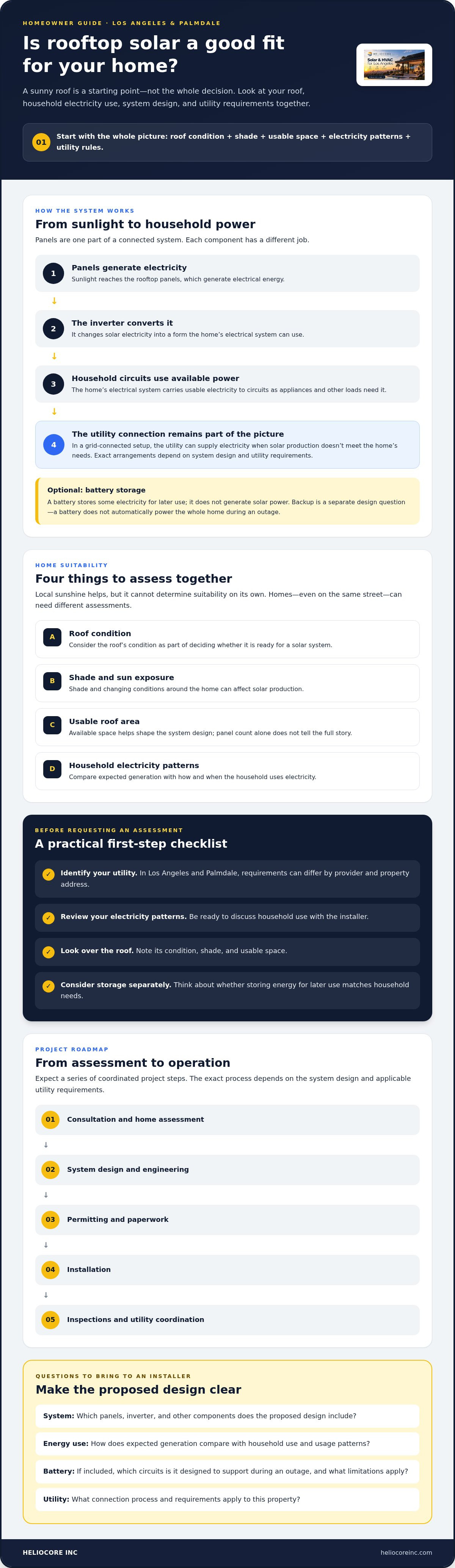
A rooftop solar system works as a connected set of components. Panels generate electricity from sunlight, an inverter helps make that electricity usable, and the home’s electrical system carries it to household circuits. A utility connection may provide power when the solar system isn’t meeting the home’s needs. The equipment and grid arrangements depend on system design and utility requirements.
An inverter converts solar electricity into a form the home’s electrical system can use. Inverter equipment and configurations vary, so ask the installer to explain what the proposed design includes.
How do solar panels supply electricity to a home?
The basic flow is straightforward:
- Panels generate electricity as sunlight reaches them.
- An inverter converts the electricity so it can serve the home’s electrical system.
- Household circuits use available solar power as appliances and other electrical loads need it.
- The utility connection remains part of the picture in a grid-connected system, though how it operates depends on the utility and approved system setup.
Solar production isn’t fixed. It can change with system design, weather, shade, and conditions around the home. An assessment helps compare expected generation with household use, rather than relying on panel count alone. When comparing rooftop solar panels for homeowners, ask how the design accounts for your usage patterns and the utility’s requirements.
What does a home battery add to rooftop solar?
A battery can store some electricity generated by the solar system for later use, depending on the system design. It doesn’t generate solar power; it stores energy for use at another time. That may suit households considering how to use stored energy, but battery storage is optional and isn’t required for solar panels to generate electricity.
Backup is a separate design question. A battery doesn’t automatically mean the whole home will have power during an outage. Ask which circuits a proposed setup is designed to support, how it’s configured to operate during an outage, and what limitations apply. HelioCore installs Tesla Powerwall battery storage, though a battery may not be the right fit for every household.
For a broader look at planning a home solar project, the U.S. Department of Energy’s Homeowner's Guide to Going Solar offers additional guidance. Los Angeles and Palmdale homeowners considering system design can also explore residential solar options and discuss how panels, inverter equipment, storage, and utility requirements may fit together.
Is Your Roof Right for Solar? Compare Shade, Condition, and Energy Use
A sunny roof isn’t automatically suitable, and a less-than-perfect roof isn’t automatically ruled out. The right fit depends on how the roof, site, household electricity use, and system design work together. Use the following factors to prepare useful questions, not to decide your home’s eligibility on your own.
| Factor | What to check | Why it matters |
|---|---|---|
| Roof condition | Look for visible wear and note any roof work you’re planning. | Condition and planned work can affect how installation should be approached. |
| Usable area | Notice roof sections interrupted by vents, chimneys, or other features. | Available space helps inform the system layout. |
| Shade | Observe nearby trees and other obstructions at different times of day. | Shade patterns can affect design and expected generation. |
| Orientation | Note which way the usable roof sections face. | Orientation is one site detail an installer considers during design. |
| Household use | Review utility statements for electricity-use patterns. | Usage helps guide system design; it doesn’t establish savings by itself. |
How do shade and roof condition affect a solar assessment?
Shade can change during the day as the sun moves and nearby trees or structures cast shadows. Note what you observe, especially in Los Angeles and Palmdale, where trees, roof features, and other site conditions can vary from property to property. An installer can assess how those conditions affect the layout and expected production.
Also flag visible roof wear and planned roof work before system design begins. HelioCore installs residential solar systems, not standalone roofing services. If you’re unsure about roof condition, ask what should be addressed before installation and consult an appropriate roofing professional as needed.
How should you compare energy needs with roof space?
Gather utility statements and look for household electricity-use patterns. Compare that information with usable roof area, shade, orientation, and roof condition. These details need to be assessed together. Avoid relying on a fixed panel count or a general production estimate. A property-specific assessment is needed to determine a suitable design and expected output.
The U.S. Department of Energy’s Homeowner's Guide to Solar offers more background on evaluating solar for a home. Use it alongside a professional assessment. For rooftop solar panels for homeowners, reviewing the actual roof and household use is more useful than judging by sunshine alone.
How to Assess Rooftop Solar for Your Home: A Practical First-Step Checklist
A little preparation can make a solar assessment more useful. You don’t need to judge your roof or choose equipment in advance. Gather a few details, identify your questions, and let a professional assess how your home, energy use, and utility requirements fit together.
- Identify your electric utility. Check a recent bill to confirm who serves your property. In Los Angeles and Palmdale, verify whether your address is in the LADWP service area or served by another utility. The provider can affect system connection requirements, so ask how those details will be checked.
- Review your electricity use. Gather recent utility statements and note patterns, such as changes in use during different seasons. This information helps frame the design discussion, but it doesn’t determine system size or expected production on its own.
- Note roof and site details. Write down what you know about roof age, visible wear, shade from nearby trees, and any planned roof or home changes. These observations help an installer prepare for a property-specific review.
- Request a professional assessment. Discuss your home, utility, and priorities with an installer. Ask how the assessment will account for roof conditions, household use, equipment choices, and applicable utility requirements.
What information should homeowners gather before an assessment?
Bring utility statements and any information you have about the roof’s age or previous work. Note when nearby trees or roof features cast shade, and mention planned changes that could affect the home or roof. Consider whether you’re interested in solar generation alone or want to explore battery storage too. You don’t need every answer before the assessment. These details support the discussion but don’t replace an on-site review.
What questions help clarify system fit and project scope?
Ask the installer to explain the proposal in plain language. Useful questions include:
- How does the design account for my roof, shade, electricity use, and utility requirements?
- What panels, inverter equipment, and optional storage are included, and why?
- Who coordinates engineering, permits, installation, inspections, and utility communication?
- What utility steps apply to my property, and how will current requirements be confirmed?
- Is the proposed arrangement based on direct ownership or a lease, and where can I review the applicable terms?
Ownership and lease options work differently, so compare the written terms and ask questions before deciding. HelioCore coordinates residential solar projects for homeowners in Los Angeles and Palmdale, including system design and utility coordination. Explore residential solar with HelioCore to discuss what an assessment could consider for your home and utility.
Solar Assessment to Operation: What to Expect
Understanding the project sequence can make rooftop solar panels for homeowners easier to evaluate. A residential installation generally moves through consultation, engineering, permitting, installation, inspections, and utility coordination. Each stage has a purpose, but exact requirements and timing depend on the property, local authority, and utility serving the home.
- Consultation: Discuss your roof, household electricity use, utility, and priorities. Clarify whether you’re exploring solar generation alone or considering battery storage.
- Engineering: The system design is developed around the home and site conditions. Ask how the proposed equipment and layout reflect the assessment.
- Permitting: The project team identifies and coordinates applicable local permit steps. Requirements vary, so confirm what applies to your property.
- Installation: The approved system is installed at the home. Ask what work is planned and how the installer will communicate site-specific considerations.
- Inspections and utility coordination: Required inspections and utility steps follow installation. Confirm the current process with the project team and utility before assuming when the system can operate.
Who coordinates design, permits, inspections, and utility steps?
These are related but distinct parts of a project. Local permitting involves the relevant authority, while utility coordination follows the requirements of the provider serving the property. HelioCore manages residential solar project stages for Los Angeles and Palmdale homeowners, including consultation, engineering, permitting, installation, inspections, and utility coordination through permission to operate. That coordination can clarify responsibilities and next steps, but it doesn’t remove the need to meet property-specific requirements or establish an approval outcome or timeline in advance.
Ask who your main contact will be, which steps they coordinate, and how you’ll be updated if a permitting or utility requirement needs attention. If your property is in the LADWP service area, confirm current interconnection and permission-to-operate details for the project. Requirements can change and may differ by utility, so verify the details that apply to your address.
How can homeowners decide what to do next?
Before moving forward, make sure you understand how the design accounts for your roof, shade, and household use; which utility serves your home; and what equipment the proposal includes. Review project responsibilities and written ownership terms as well. Direct ownership and lease options facilitated through Palmetto may be available, but they are different arrangements, not universal recommendations. Confirm current availability and terms before comparing them.
A tailored consultation can connect these questions to your property and utility. For a home-specific discussion of next steps, talk with HelioCore about your home’s solar options.
Rooftop Solar Panels for Homeowners: Take the Next Step With a Clear Plan
A good solar decision starts with the home, not a one-size-fits-all system. Roof condition, shade, household electricity use, and utility requirements all help shape a suitable design. Understanding how panels, inverter equipment, and optional battery storage work together also makes it easier to compare proposals for rooftop solar panels for homeowners.
The installation journey has several stages, from consultation and engineering to permitting, inspections, and utility coordination. HelioCore coordinates residential solar projects through these steps for homeowners in Los Angeles and Palmdale. Homeowners can discuss direct ownership or lease options facilitated through Palmetto, and Tesla Powerwall battery installation is available for those considering storage. The right choices depend on your property and priorities.
Start with your questions and the information you’ve gathered about your home. Explore residential solar options with HelioCore and discuss what a property-specific assessment may involve.
Frequently Asked Questions
Are rooftop solar panels worth it for homeowners?
They may be worthwhile if the roof, household electricity use, system design, and utility rules align with your priorities. Rooftop solar panels for homeowners aren’t a one-size-fits-all choice. Review your utility’s current requirements, compare ownership or lease terms, and request a property-specific assessment before deciding. In Los Angeles and Palmdale, confirm which utility serves your home and how its current policies affect your project.
Can solar panels be installed on a shaded roof?
Possibly, but the amount, timing, and location of shade can affect system design and expected generation. Nearby trees, buildings, and roof features may cast shadows at different times of day. Note what you observe, then ask an installer to assess the site. Shade doesn’t automatically rule out solar, but a professional needs to evaluate the actual roof before recommending a layout or estimating production.
Do rooftop solar panels work during a power outage?
Not necessarily. A grid-connected solar system may be designed to stop supplying household circuits during an outage unless it includes suitable battery storage and equipment configured for backup. Solar panels alone don’t guarantee power when the grid is down. Ask which circuits a proposed battery setup can support, how it’s designed to operate during an outage, and what limitations apply to your home.
Do I need a battery with rooftop solar panels?
No, a battery isn’t required for solar panels to generate electricity. It’s an optional component that can store some generated energy for later use, depending on system design. Consider whether storage fits your household priorities, including whether backup power matters to you. HelioCore installs Tesla Powerwall battery storage, but an assessment can help clarify whether adding a battery makes sense for your home.
How long does rooftop solar installation take?
There isn’t one reliable timeline for every home. The process includes consultation, engineering, permitting, installation, inspections, and utility coordination. Timing can depend on the property, local permitting authority, utility requirements, and project-specific details. Ask your installer to explain the stages, identify what may affect scheduling, and clarify how you’ll receive updates. Confirm current requirements for your location rather than relying on a general estimate.
What should Los Angeles homeowners check before going solar?
Start by confirming whether your property is served by LADWP or another utility, then check current utility requirements and applicable local permitting steps. Review household electricity use and note roof condition, usable area, and shade from nearby trees or roof features. These details help guide an assessment but don’t determine system suitability on their own. Homeowners in Los Angeles and Palmdale should verify requirements for their specific property and utility.
Can rooftop solar panels be added to an older home?
Yes, an older home may be a candidate, but age alone can’t confirm suitability. An assessment should consider roof condition, usable space, shade, household electricity use, and the home’s electrical setup. Share any known roof work or planned renovations with the installer. If roof repairs may be needed, consult an appropriate roofing professional, since solar installers don’t necessarily provide standalone roofing services.