
Solar
Clean Energy Home Upgrades in Los Angeles: A Practical 2026 Guide
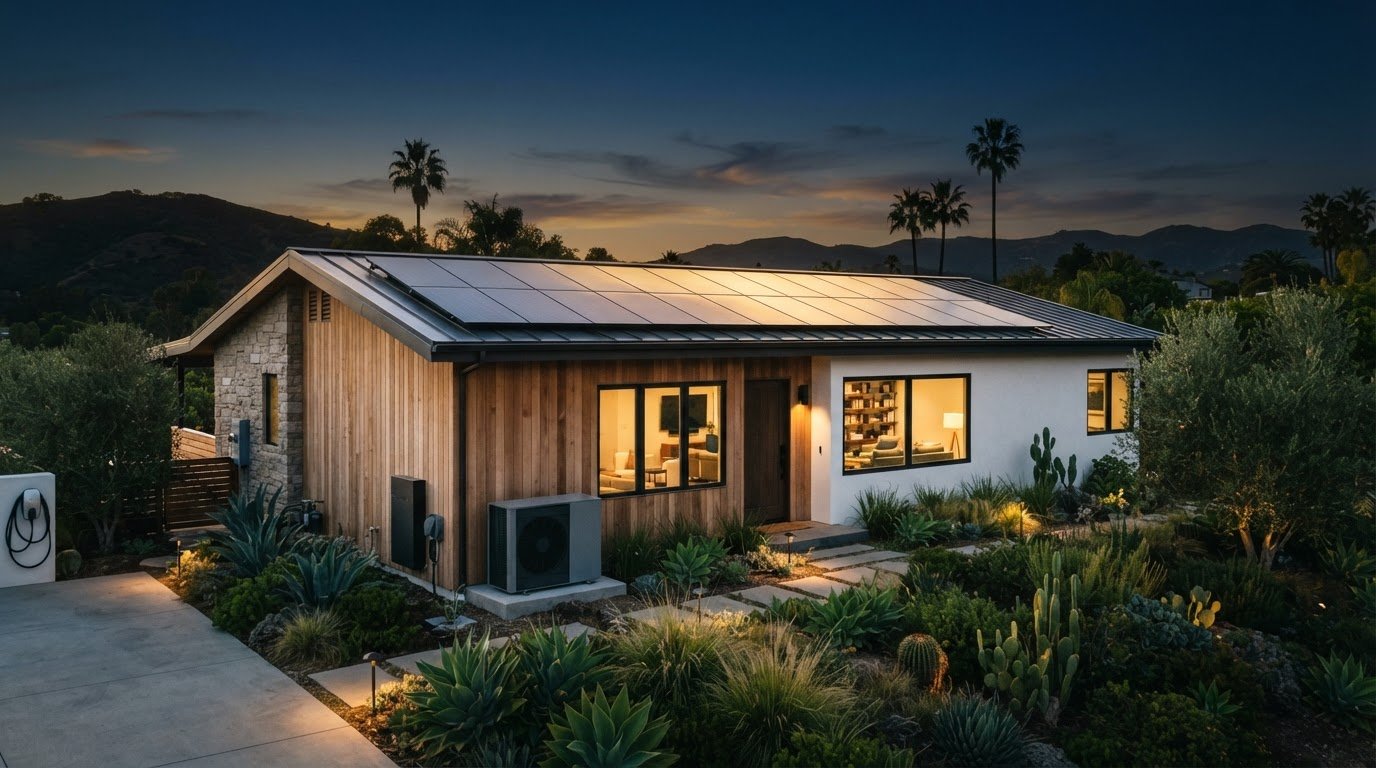
What if the best clean energy plan for your Los Angeles home isn’t one big equipment purchase, but a thoughtful sequence of upgrades? Clean energy home upgrades los angeles homeowners consider can serve different goals: using less energy, improving indoor comfort, producing solar power, or preparing for outages. Start by identifying the problem you want to solve, then match possible upgrades to your home’s conditions.
It’s understandable to feel unsure about what comes first. Insulation and other efficiency improvements affect household energy use, HVAC choices shape comfort, and solar and battery storage work alongside your home’s electrical needs. If you’re served by LADWP, utility requirements and connection steps also matter when planning solar.
This guide compares efficiency, heating and cooling, solar, and batteries as connected but distinct decisions. It also explains how to prioritize upgrades and plan a residential solar project in LADWP territory. The aim is a useful starting point, not a one-size-fits-all package.
Key Takeaways
- Clean energy home upgrades los angeles homeowners consider can address energy use, comfort, solar generation, or outage backup, but results depend on the home and household.
- Compare efficiency measures, HVAC, solar, and batteries by the problem each is meant to solve before deciding what to tackle first.
- Prioritize upgrades by defining your goal, reviewing your home, comparing options, and planning the project.
- Solar and HVAC decisions can inform one another while serving different needs. Plan around your home rather than assuming you need every upgrade.
- In LADWP territory, HelioCore coordinates residential solar engineering, permitting, installation, inspections, and utility processes. LADWP makes its own decisions.
Table of Contents
What Clean Energy Home Upgrades Can Do for a Los Angeles Home
Clean energy home upgrades can change how a household uses energy, how comfortable it feels, and how it produces or stores power. The right mix depends on the home’s condition, existing equipment, household habits, and utility circumstances. There’s no universal fix: a family dealing with rooms that heat unevenly may need a different first step than one focused on reducing energy use or preparing for outages.
Each upgrade has a distinct role. Efficiency measures, such as switching to LED lighting or addressing drafts, aim to reduce avoidable energy use. Electrification replaces or supplements equipment that uses another fuel with electric options such as heat pumps. Rooftop solar generates electricity, while battery storage can provide backup when paired with a compatible system. California’s broader energy context is outlined in California's renewable energy landscape, but statewide trends don’t determine what makes sense for an individual home.
Which home needs can clean energy upgrades address?
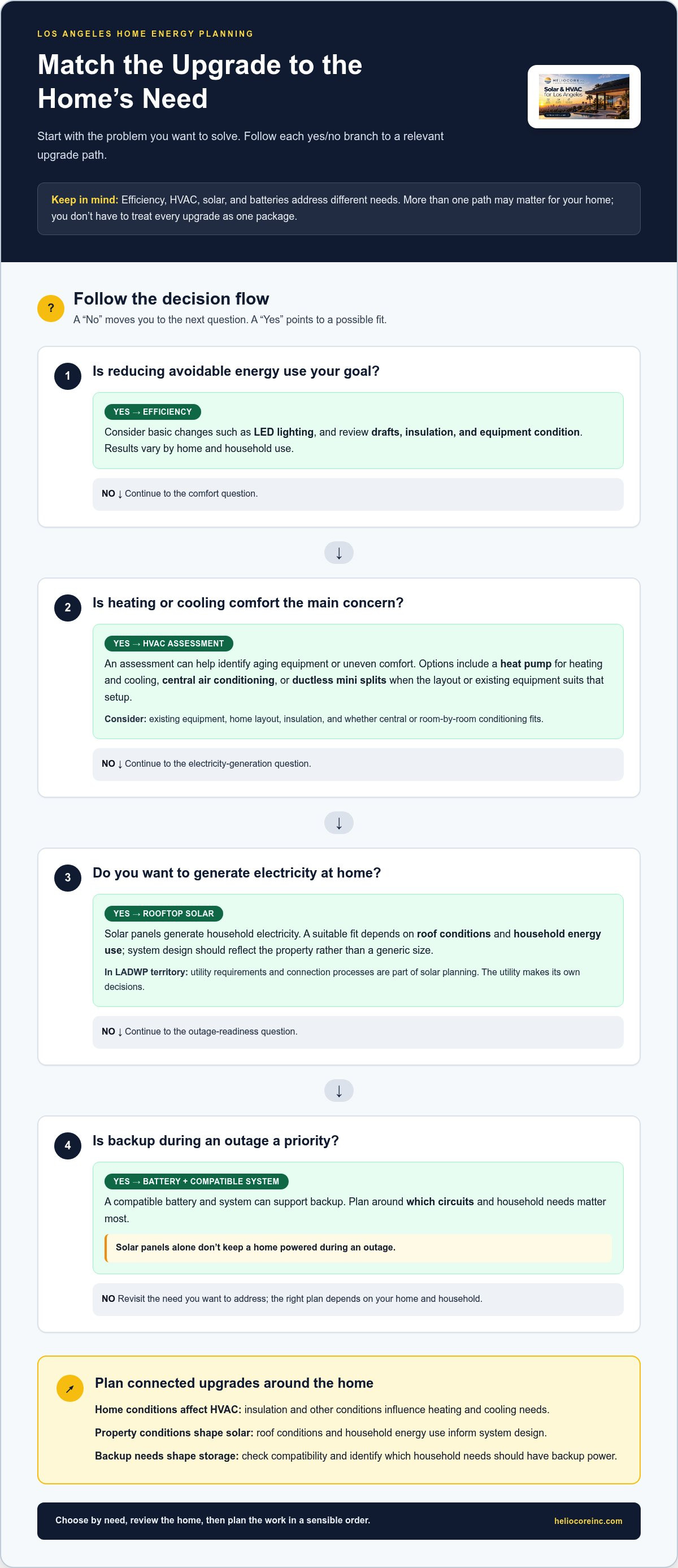
High energy use doesn’t point to one automatic solution. Lighting, insulation, equipment condition, and daily routines can all influence how much energy a home uses. If comfort is the main concern, an HVAC assessment can help identify whether aging heating or cooling equipment, or the way it serves the home, needs attention. Solar and batteries address different needs: panels generate electricity, while a compatible battery and system can support backup during an outage.
Why plan upgrades as a connected home system?
One change can shape the next. Insulation and other home conditions affect heating and cooling needs, so they matter when considering HVAC capacity or replacement. Solar design should reflect household energy use and roof conditions rather than rely on a generic system size. Considering these factors together can help you choose a sensible order without treating every upgrade as one package.
Clean energy home upgrades are practical changes that help a home use energy thoughtfully, stay comfortable, and manage its power supply.
For families searching “clean energy home upgrades los angeles,” LADWP service is an important part of local solar planning. Utility requirements, programs, and connection processes can change. A review of your home, its equipment, and the applicable utility steps can turn a broad goal into a manageable plan.
Compare Efficiency, HVAC, Solar, and Battery Upgrades
Each upgrade addresses a different household need. Use this comparison to match the work to your home instead of treating every option as a substitute for the others.
| Upgrade | Main goal | Typical home fit | Planning considerations |
|---|---|---|---|
| Efficiency | Use energy more thoughtfully | Homes ready for basic changes, such as LED lighting | Review lighting, drafts, insulation, and equipment condition; results vary by home and use. |
| HVAC | Improve heating and cooling | Homes with aging equipment, uneven comfort, or a need for a different system setup | Consider the existing equipment, layout, insulation, and whether central or room-by-room conditioning fits. |
| Rooftop solar | Generate household electricity | Homes with suitable roof conditions and an energy-use profile that supports solar planning | System design depends on household use, roof conditions, and utility processes. |
| Battery storage | Store electricity for compatible backup | Homes seeking outage support alongside a compatible battery and system | Check system compatibility and which household needs backup power. |
Efficiency and HVAC: improve how the home uses energy
LEDs are a straightforward lighting change. LADWP has highlighted energy-efficient bulbs through its marketplace, but lighting is only one part of a home’s energy picture. Addressing drafts and reviewing insulation can also help you understand where energy is going. For general guidance, see Energy Upgrade California tips.
Heating and cooling deserve a separate assessment. A heat pump can provide both, while central air conditioning typically serves the home through a central system. Ductless mini splits may suit homes or areas where a ductless setup better matches the layout or existing equipment. The right option depends on the home, and no HVAC choice guarantees a particular utility-bill reduction.
Solar and storage: generate and manage household electricity
Rooftop solar produces electricity at home. Its fit depends on factors such as roof conditions and household energy use, so system design should start with the property rather than a generic size. Solar panels alone don’t keep a home powered during an outage. Backup requires a compatible battery and system, planned around the circuits and household needs that matter most.
For a closer look at the solar planning process, read our guide to residential solar installation in Los Angeles. If you’re weighing solar alongside heating and cooling needs, explore HelioCore’s home energy solutions as a starting point for connecting those decisions.
How to Prioritize Clean Energy Upgrades for Your Los Angeles Home
There isn’t one upgrade that should come first in every home. A family dealing with uncomfortable rooms may prioritize heating and cooling, while another may focus on household energy use, solar generation, or outage readiness. For clean energy home upgrades los angeles homeowners are considering, start with the need that matters most and match it to the home’s actual conditions.
Start with household goals and current home conditions
Before comparing equipment, identify your main goal. Is comfort the concern, or are you looking to use energy more thoughtfully, generate electricity, or prepare for outages? Then review energy patterns, existing HVAC equipment, roof condition, sunlight exposure, available space, and electrical setup. An assessment connects those details with practical system design and helps clarify which options deserve attention first.
Use a four-step sequence
- Define the goal. Choose the priority: comfort, energy use, solar generation, or backup power.
- Review the home. Note HVAC age and condition, room comfort, roof and sunlight conditions, available space, and electrical considerations.
- Compare upgrades. Match each option to the need it addresses. Efficiency measures may be a sensible early step; an HVAC change may better address comfort, while solar and batteries serve generation and backup needs.
- Plan the project. Consider how equipment choices, system design, installation, and utility processes fit together before setting a project sequence.
Sequence projects without assuming guaranteed savings
Efficiency and HVAC decisions can inform later solar planning. For example, changes to heating and cooling equipment may affect household electricity use, so include those plans in the solar design conversation. Roof condition, sunlight, energy use, and electrical conditions also shape what a system can practically support. No single factor tells the whole story.
Solar can contribute to household electricity, but you’ll continue to receive a utility bill after installation. Solar may reduce the bill, not eliminate it. The result depends on factors such as energy use and applicable utility terms. For more detail on how LADWP solar billing works, read LADWP true-up billing for solar.
Keep the sequence flexible. A home with an immediate comfort issue may reasonably address HVAC first; a household focused on backup should consider battery compatibility alongside solar planning. The goal is a coordinated plan built around your home, not a universal ranking or a promise of specific savings.
Plan a Clean Energy Home Upgrade in LADWP Territory
For homeowners planning clean energy home upgrades in Los Angeles, clear project steps make the process easier to manage. A residential solar project typically moves from consultation and home review to system design, permitting, installation, inspection, and utility coordination. Each stage prepares for the next. LADWP controls its own reviews and decisions, so an installer can’t promise utility timelines or outcomes.
HelioCore coordinates solar engineering, permitting, installation, inspections, and utility processes for homeowners in LADWP territory. Use current LADWP customer guidance when planning, since utility requirements and program details can change. This keeps project decisions grounded in the applicable rules and processes.
What to expect from a local solar planning process
Planning begins with the home. Roof conditions, sunlight, existing equipment, electrical setup, and household energy use help shape system design. The review connects your goals with what the property can support; engineering and permitting then prepare the project for installation. Inspections and utility steps follow the installation. HelioCore coordinates these project stages, while LADWP retains authority over its own requirements and timelines.
Understand solar and HVAC lease terms before deciding
Leasing is one way to structure a project, but it involves payments and agreement terms. A qualifying $0-upfront plan is not free equipment; monthly payments apply. Palmetto uses a soft credit check that doesn’t affect your credit score. Solar and HVAC agreements have different terms, so review payment obligations, coverage, and what happens if you sell your home.
Palmetto Comfort Plan HVAC lease terms are 10 or 12 years and include scheduled preventative maintenance. Coverage applies to the equipment and services listed in the agreement, not every repair or upgrade. Exclusions include duct cleaning, unrelated electrical or plumbing work, and optional upgrades. For solar, purchase options become available after the fifth anniversary of utility connection, and transfer to a qualified home buyer is subject to approval. Read more about solar panel leasing in Los Angeles to compare lease and purchase considerations.
Planning a solar project in LADWP territory? Explore HelioCore’s residential solar planning to see how the project steps can fit together.
How HelioCore Helps Los Angeles Homeowners Coordinate Upgrades
Planning clean energy home upgrades in Los Angeles is easier when you consider the home’s needs and project steps together. HelioCore works with residential homeowners on high-efficiency solar panels, Tesla Powerwall battery storage, and HVAC options such as heat pumps, central air conditioning, and ductless mini splits. The right combination depends on existing equipment, roof and electrical conditions, and household priorities.
HelioCore serves homeowners across Los Angeles, Inglewood, South Los Angeles, Crenshaw, Leimert Park, Baldwin Hills, Westchester, Van Nuys, North Hollywood, Reseda, Northridge, Woodland Hills, and San Pedro.
Coordinate solar, storage, and HVAC around the home
A solar plan starts with the property and the household’s energy needs. HelioCore coordinates solar consultation, engineering, permitting, installation, inspections, and utility processes for homeowners in LADWP territory. LADWP makes its own decisions and controls its own timelines, while HelioCore organizes the project steps.
Heating and cooling choices can be considered alongside solar planning, without assuming every home needs every upgrade. A heat pump, central air system, or ductless mini split may suit different equipment and layouts. Battery storage serves another purpose: outage backup requires both a compatible battery and a compatible system. The plan should reflect household goals, not an assumption that more equipment is always better.
Know what the plan does and does not promise
Palmetto LightReach solar plans include a 25-year equipment and workmanship warranty and a 10-year roof-penetration warranty. The roof warranty applies only to installation-related roof penetrations, not the entire roof. Solar plans also include a 90% production guarantee over a three-year review period. This production guarantee isn’t a promise of a particular utility bill or savings amount.
These terms give homeowners concrete details to consider as they weigh equipment, service, and project fit. HelioCore can bring solar, storage, and HVAC decisions into one conversation, with each upgrade tied to the need it addresses. Household costs and results depend on the home, equipment, energy use, weather, and utility circumstances.
For a practical conversation about your home’s goals and project fit, explore clean energy upgrades for your Los Angeles home.
Take the Next Step Toward a More Comfortable, Thoughtful Home
The best clean energy home upgrades los angeles homeowners choose begin with their priorities. Address comfort, energy use, solar generation, or backup needs in an order that fits the home. Then plan the systems together, so choices about HVAC, solar, and storage account for real household conditions.
HelioCore coordinates residential solar consultation, engineering, permitting, installation, inspections, and utility processes. Palmetto LightReach solar plans include a 25-year equipment and workmanship warranty and a 10-year warranty for installation-related roof penetrations, not the entire roof. Palmetto Comfort Plan terms are 10 or 12 years and include scheduled preventative maintenance. These details help set clear expectations as you consider project fit.
Your plan doesn’t need to happen all at once. Start with the goal that matters most, and build from there. Explore clean energy options for your Los Angeles home and take a practical first step toward upgrades that suit your household.
Frequently Asked Questions
What are the best clean energy home upgrades for a Los Angeles home?
The best mix depends on your home’s needs, existing equipment, roof, sunlight, energy use, and goals. A practical guide to clean energy home upgrades Los Angeles homeowners can make starts by naming the main priority. Efficiency improvements address how the home uses energy; HVAC upgrades focus on heating and cooling; rooftop solar generates electricity; and a compatible battery system can provide outage backup. No single upgrade is best for every household or guarantees lower bills.
Which home energy upgrade should I do first?
Start with your household’s main concern and a review of the home. If comfort is the issue, assess your existing heating and cooling equipment. If solar is a priority, consider roof condition, sunlight, electrical conditions, and household energy use. Efficiency and HVAC choices can inform later solar planning, but the right order varies by home. An assessment helps you compare options without assuming a fixed sequence or guaranteed financial result.
Can solar panels power a home during a LADWP outage?
Solar panels alone don’t necessarily provide power during an outage. They generate electricity for household use, but outage backup requires a compatible battery and compatible system. Not every solar installation includes battery storage, and backup capability depends on the system design. A battery also doesn’t automatically power every appliance or household load. Planning should account for system compatibility and the home’s specific backup needs.
Will solar panels eliminate my LADWP bill?
No. Solar doesn’t automatically eliminate your LADWP bill, and homeowners continue to receive a utility bill after installation. Solar may reduce the amount, depending on the system, household energy use, and other circumstances, but specific savings aren’t guaranteed. Billing and credits for solar generation depend on the applicable LADWP arrangements and current utility rules. Review current utility guidance as part of planning so you understand how your account is billed.
Does a $0-upfront solar plan mean the equipment is free?
No. A qualifying $0-upfront solar lease option still requires monthly payments, and Palmetto owns the equipment under the lease. Qualification includes a soft credit check that doesn’t affect your credit score. Before enrolling, review the agreement’s payment terms, responsibilities, and available ownership options. “$0 upfront” describes the initial payment structure for qualifying homeowners, not free equipment or a promise that the system has no ongoing cost.
How long are Palmetto HVAC lease plans?
The Palmetto Comfort Plan has 10-year or 12-year terms. It includes approved equipment, installation, scheduled preventative maintenance, and covered repair parts and labor, subject to the agreement. Coverage doesn’t extend to every home repair or upgrade; exclusions include duct cleaning, unrelated electrical or plumbing work, and optional upgrades. HVAC performance and utility-bill outcomes depend on factors such as usage, weather, insulation, rates, and the equipment replaced.
What happens to a solar or HVAC lease if I sell my home?
A solar or HVAC agreement may transfer to a qualified home buyer, subject to approval. A transfer isn’t automatic, so the agreement’s terms matter when planning a home sale. Equipment ownership also doesn’t automatically transfer at the end of a lease; the agreement sets out the available options. For solar, purchase options become available after the fifth anniversary of utility connection. Review the applicable agreement to understand its transfer and end-of-term terms.