
HVAC
Heat Pump Cooling and Heating: How Systems Work and What They Cost
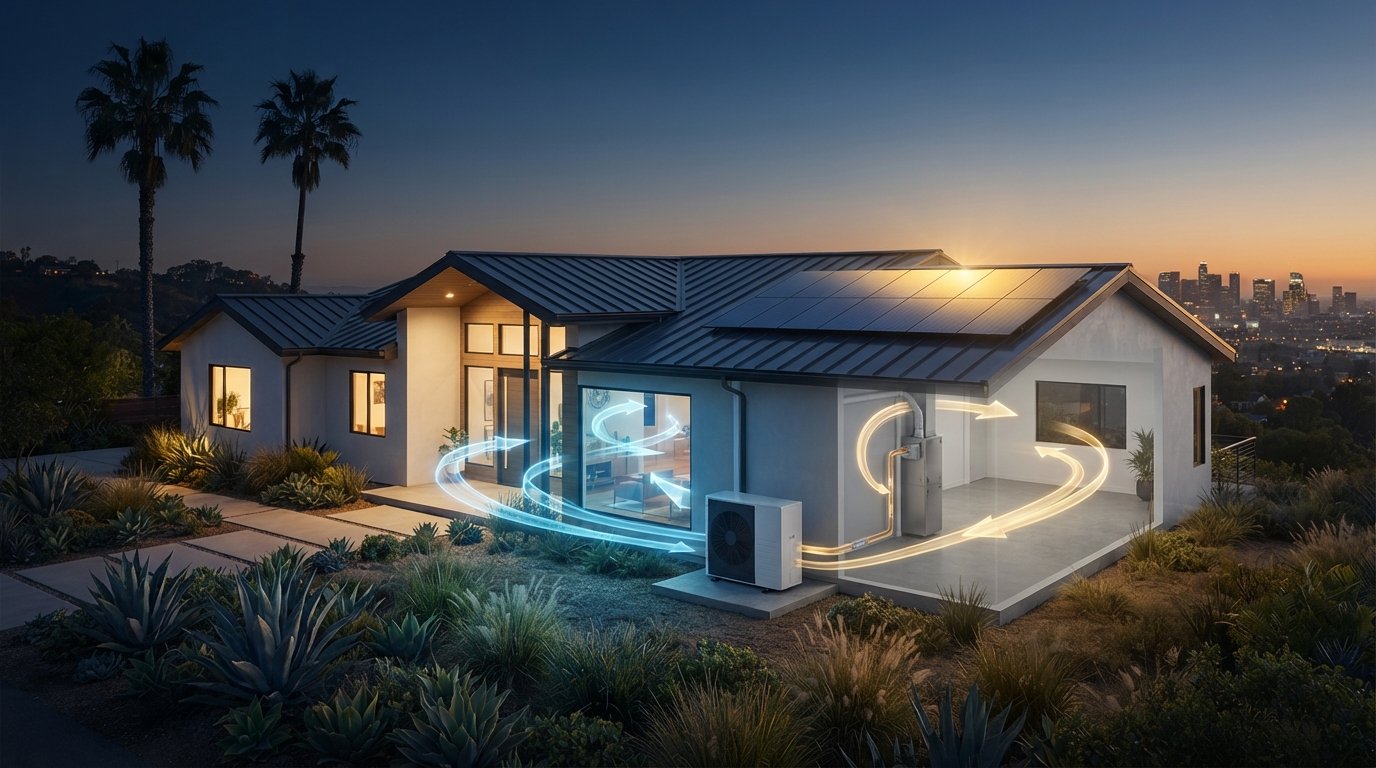
Heating and cooling don’t have to come from separate systems. A heat pump cooling and heating installation can replace a traditional air conditioner and heating system with one electric system that moves heat rather than creating it. In heating mode, it draws heat from outdoor air into the home; in cooling mode, it moves indoor heat outside.
Before considering an upgrade, it helps to understand more than the equipment itself. System type, climate, and how your home uses energy all affect heat pump performance and operating costs.
This guide explains how heat pumps work, how ducted and ductless systems differ, and why climate matters. You’ll also learn what influences efficiency and operating costs, helping you weigh the trade-offs before deciding whether a heat pump suits your home.
Key Takeaways
- Compare air-source, geothermal, ducted, and ductless systems by how they fit your home and existing layout.
- Understand how indoor and outdoor components work together, and how system configurations can serve different rooms.
- See how a heat pump moves heat in both modes, and why heating can feel more gradual than furnace heat.
- Identify the factors that shape efficiency and operating costs, including climate, system performance, and how steadily you heat or cool your home.
- Learn why permits and building-code requirements can influence installation planning, and where HVAC expertise can help make the project more manageable.
Table of Contents
What Is a Heat Pump And How Does a Heat Pump Work?
A heat pump is an electric appliance that provides both heating and cooling. Instead of generating heat, it uses electricity to move heat from one place to another. In cooling mode, it carries indoor heat outside. In heating mode, it moves heat from outdoor air into the home.
How do you find a qualified installer and compare quotes? Compare written proposals that specify the heat pump system, equipment sizing, ductwork needs, installation scope, and commissioning tests. A useful proposal makes clear what work is included, not just which equipment is named.
Are there federal, state, or utility rebates and tax credits? An ENERGY STAR-certified heat pump may qualify for heat pump or utility rebates. Tax credits and other incentives have program-specific eligibility rules, which can depend on location and equipment.
What are common installation problems and risks? Poor sizing can leave rooms uncomfortable or make the system work harder than necessary. Ductwork that does not suit the equipment, along with issues involving refrigerant lines, condensate drains, or electrical connections, can also affect operation. Commissioning should test heating, cooling, defrost, and emergency-heat functions.
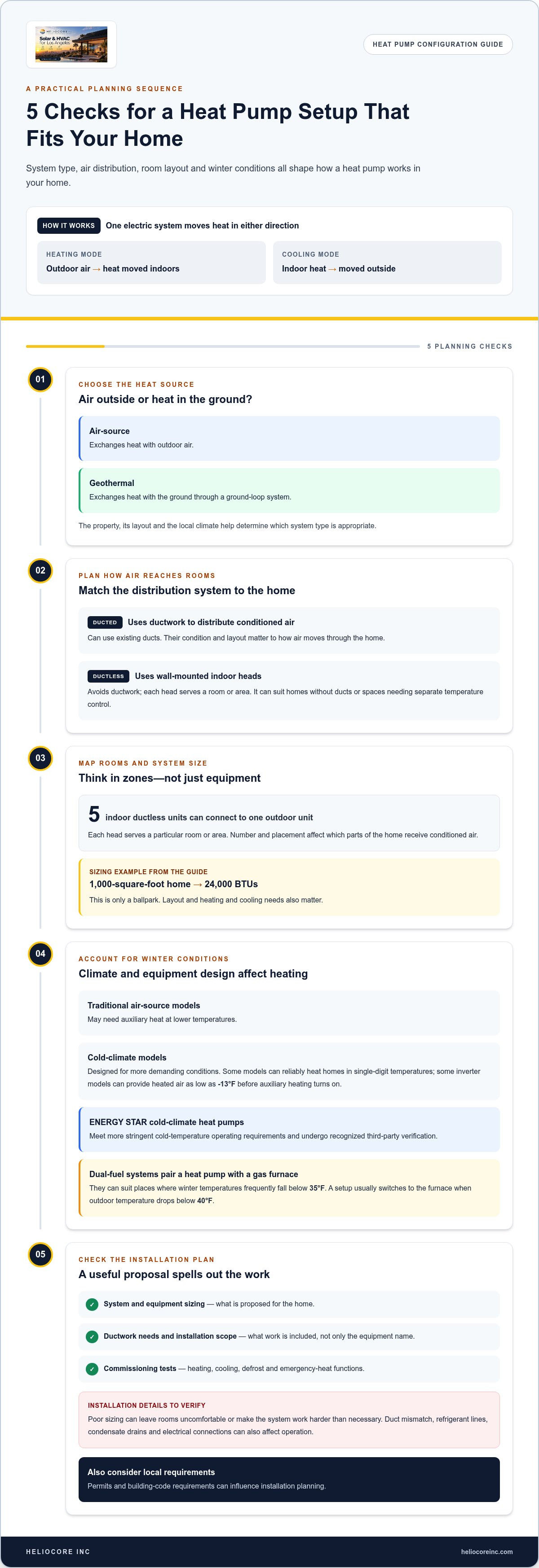
Common options include air-source, geothermal, ducted, and ductless heat pumps. Air-source systems exchange heat with outdoor air. Geothermal systems exchange heat with the ground through a ground-loop system. The right configuration depends on the property, its layout, and the local climate.
A ducted heat pump can use existing ductwork to distribute heated or cooled air throughout the home. It can be a practical fit if the ducts are already in place and suit the system. A ductless mini-split avoids the need for ductwork. Its indoor heads are usually mounted high on walls, with each serving a room or area.
Ductless mini-split installation can suit a home without existing ducts, or a room that needs separate temperature control. Multiple indoor units can connect to one outdoor unit, creating a system for several areas. For a rough sizing example, a 1,000-square-foot home may call for 24,000 BTUs of capacity. That figure is only a ballpark; layout and heating and cooling needs also matter.
Climate affects how an air-source heat pump performs in heating mode. Traditional models may need auxiliary heat at lower temperatures, while cold-climate models are designed for more demanding conditions. The U.S. Environmental Protection Agency notes that ENERGY STAR cold-climate heat pumps meet more stringent cold-temperature operating requirements and undergo recognized third-party verification.
Heat pump system components and configurations
A heat pump system combines indoor and outdoor equipment, controls, and connections that move heat through the home. Its configuration determines how air reaches each room and how the system responds to local winter temperatures.
Heat Pump System Components
A heat pump system pairs an outdoor unit with indoor equipment, refrigerant lines, electrical connections, and controls. The outdoor unit exchanges heat with the air outside, while an indoor air handler or wall-mounted head distributes conditioned air. A thermostat signals when heating or cooling is needed, and the reversing valve changes the system’s mode.
These components need to work together. An indoor unit’s location, for example, affects how air reaches the rooms it serves. The equipment layout also determines where refrigerant lines and condensate drains run. Considering these connections as part of one system shows why placement and installation details matter to comfort and operation.
Ducted System Configuration
A ducted heat pump sends heated or cooled air through the home’s ductwork. The indoor air handler connects to supply ducts that carry air into rooms, while return ducts bring it back to the system. This setup can use existing ducts, so their condition and layout are important parts of the overall HVAC system.
A home with ductwork serving its main living areas, for example, may suit a central arrangement. Additions or distant rooms can have different air-distribution needs. Ducted systems deliver air through the duct network, rather than using a separate wall-mounted head in each area.
Dual-fuel systems pair a heat pump with a gas furnace. They can suit places where winter temperatures frequently fall below 35 degrees. A dual-fuel setup usually switches to the furnace when outdoor temperature drops below 40 degrees. That changeover point shapes how the system handles colder weather and determines which heating equipment runs under different conditions.
Cold-climate heat pumps are designed to keep providing heat at lower outdoor temperatures. Some models can reliably heat homes in single-digit temperatures, and some inverter models can provide heated air as low as -13°F before auxiliary heating turns on. By contrast, a standard heat pump may activate electrical heating strips in excessively cold conditions. Climate and equipment design both affect the system configuration.
Ductless configurations use indoor heads instead of room-by-room duct branches. A homeowner can connect up to five indoor ductless units to one outdoor unit. Each head serves a particular room or area, which can work well where running ducts is difficult or where different spaces need separate control. The number and placement of heads determine which parts of the home receive conditioned air.
For a home-specific view of system layouts, explore residential HVAC installation.
How heat pumps transfer heat for heating and cooling
A heat pump moves heat rather than producing it through combustion. Refrigerant carries heat between the indoor coil and outdoor unit, while a compressor and reversing valve help the system switch modes. This reversible process lets one heat pump provide cooling in summer and heating in winter.
In cooling mode, the indoor coil absorbs heat from room air. Refrigerant carries that heat to the outdoor unit, where it is released outside. An air conditioner uses a similar heat-moving process but only cools, rather than switching to provide heat. A heat pump can perform both functions in one system.
Heating reverses the direction of heat transfer. The outdoor unit draws heat from outside air, and refrigerant carries it indoors. Even very cold air contains energy a heat pump can move. The system releases that heat through an indoor coil, air handler, or ductless head. Because the heat comes from outdoors rather than a flame, a heat pump operates differently from a gas furnace.
That difference affects how warmth feels. Heat pumps generally heat more gradually than furnaces, so longer heating cycles can be normal. A steady indoor setting helps the system maintain comfort without frequent, large temperature changes. For example, a heat pump may keep running as it moves heat into the home, rather than delivering a short burst of furnace heat.
A gas furnace creates heat by burning fuel, then sends heated air through the home. A traditional gas furnace typically tops out at about 98% efficiency. A heat pump instead uses electricity to move heat, and can provide both heating and cooling. The comparison is not simply about one efficiency figure: fuel type, local climate, home layout, and how each system is used all shape household energy use.
Geothermal heat pumps use the ground as their heat source and destination instead of exchanging heat with outdoor air. Their installation costs are higher than those of the other heat pump options described here because the system includes a ground loop. That added work is part of the configuration, not a different heating principle: the equipment still moves heat between the home and its surroundings.
In colder weather, a standard heat pump may use electrical heating strips to supplement its usual heating. Auxiliary heat can help maintain indoor warmth when outdoor conditions make heat transfer more difficult. System operation may therefore change with temperature. Understanding the heat source, refrigerant flow, and role of auxiliary heat helps explain how the system works across changing seasons.
Heat pump efficiency and operating costs
Heat pump efficiency describes how effectively electricity moves heat into or out of a home. Heat pumps can achieve efficiency ratings of 300% to 500%, because they transfer heat instead of producing all of it directly. A separate measure, SEER2, rates cooling performance. A rating of 16 SEER2 or above is a strong benchmark for efficient cooling.
Efficiency and operating cost are related, but they are not the same measure. Your bill reflects the electricity the system uses and the rate charged for it. Outdoor temperatures, the home’s heating and cooling needs, and system run time all affect consumption. Even a highly efficient unit can use more power during demanding weather or extended operation.
For a practical comparison, consider both seasons. A 16 SEER2 rating gives you a useful cooling benchmark, while heating performance and local electricity rates help explain winter costs. Ask how the proposed system’s efficiency ratings relate to the home’s climate and expected use. A single rating cannot describe every condition the system will face.
How you operate the heat pump matters, too. Heat pumps work best when maintaining a steady, even temperature. Large, frequent thermostat changes can require longer recovery periods as the system works toward a new setting. A consistent setting lets the heat pump manage your home’s temperature through regular heating or cooling cycles.
Emergency heating changes the cost picture. In emergency mode, a heat pump switches to electrical heat strips instead of relying on its normal heat-moving function. Use this mode only in an emergency. During unusually cold conditions, standard systems may also activate electrical strips to supplement normal heating. Knowing when auxiliary heat runs can help explain a sudden change in electricity use.
Compared with traditional heating systems, heat pumps are 2 to 3 times more energy efficient than fossil-fuel furnaces and boilers, or inefficient resistance baseboards. That comparison describes energy efficiency, not a guaranteed bill reduction. Actual operating costs depend on the equipment, household demand, electricity rates, and any fuel costs displaced by the system.
To assess likely operating costs, start with your household’s heating and cooling patterns, then consider local utility rates and equipment efficiency ratings. A home with long heating seasons, for example, places different demands on its system than one used mainly for cooling. This context gives efficiency figures practical meaning and helps you compare options on a like-for-like basis.
What permits and building codes apply to heat pump installation?
Permit requirements and building-code details depend on the project’s location and scope. A like-for-like replacement may require a different review from a new system, electrical change, or ductwork modification. Equipment type also matters: ducted installations and ductless mini-splits affect different parts of the home.
Building codes cover how construction and equipment work must be carried out. For heat pump projects, relevant requirements may concern mechanical installation, electrical connections, equipment placement, and safe drainage. Local rules determine which apply, so there is no single nationwide permit checklist for every home.
Start by defining the proposed work. The project description can say whether it replaces existing equipment, adds an outdoor unit, changes electrical service, or alters ductwork. These details help establish which reviews may apply. Replacing an existing unit without moving it, for example, can raise different questions from adding a ductless system to a room without existing heating.
Plans and equipment details help reviewers understand the installation. A project file may describe indoor and outdoor unit locations, electrical work, refrigerant-line routes, condensate drainage, and duct changes. Clear drawings can show how the system fits the home. Keep equipment specifications consistent with the proposed layout so the review reflects the work that will actually take place.
Some projects may require more than one type of review. Mechanical work concerns the heat pump equipment and air distribution; electrical work concerns connections and circuit capacity. Building or structural review may apply if the project changes walls, penetrations, supports, or other parts of the structure. The applicable reviews depend on local rules and project scope, not the heat pump label alone.
Where required, inspections give the relevant authority an opportunity to review completed work against applicable requirements. They may focus on installation details that become difficult to assess after walls or equipment connections are closed. Keep approved plans, equipment information, permit records, and inspection results together. These records can help clarify what was installed during future service or home-sale discussions.
Before work begins, align the project scope, permit process, and installation schedule. If plans change, such as moving an outdoor unit or adding electrical work, review requirements may change as well. Treat these details as part of project coordination, not last-minute paperwork. A clear scope makes it easier to understand how code requirements relate to the home and installation.
For help planning a system that fits your home, explore heat pump installation options.
HelioCore: High-Efficiency Solar Panels
HelioCore Inc helps homeowners consider heat pump performance alongside their home’s broader energy needs. If you’re evaluating an electric heating and cooling system, high-efficiency solar panels and battery storage may also be relevant. These address different parts of home energy use, so the right combination depends on your priorities and property.
HelioCore Inc also provides HVAC and air conditioning for homeowners considering equipment changes throughout the home. Looking at heating, cooling, and electricity use together can help clarify which improvements belong in your plans now and which can wait. The goal is a practical fit, not adding equipment without a clear purpose.
Contact HelioCore Inc to discuss your home’s heating, cooling, and energy needs.
Make Your Next Home Upgrade Count
Considering a heat pump is a good opportunity to look at your home’s energy plans as a whole. Think about which improvements matter most now, how they fit your household’s priorities, and what you may want to plan for later. This perspective makes heat pump cooling and heating installation part of a considered home upgrade, rather than an isolated decision.
HelioCore Inc offers HVAC alongside High-Efficiency Solar Panels and Battery Storage. These options address different parts of home energy use, allowing homeowners to consider heating and cooling alongside electricity generation and storage. Start with the option that best fits your home and plans.
When you’re ready to discuss the next step, contact HelioCore Inc about heat pumps. A clear conversation can help you shape a practical path forward for your home.
Frequently Asked Questions
How Long Will an Installation Take?
Most professional heat pump installations take 4 to 8 hours. A straightforward replacement can differ from a project that needs ductwork changes, electrical work, or a new indoor-unit layout. The work involves more than placing equipment, since refrigerant lines, condensate drainage, electrical connections, and system testing need attention. A clear project scope helps explain the expected schedule before installation begins.
How long do heat pumps last?
Heat pumps typically last 10 to 15 years. Air-source models have an approximate lifespan of 15 years, while geothermal heat pumps are listed at more than 20 years. A geothermal ground loop can last up to 50 years. Changing air filters regularly and scheduling HVAC maintenance in spring and fall support ongoing care. System type, use, and maintenance all affect its service life.
How does a heat pump provide heating and cooling?
A heat pump provides heating and cooling by reversing refrigerant flow between indoor and outdoor coils. In cooling mode, it moves indoor heat outside; in heating mode, it draws heat from outdoor air into the home. Some models can also dehumidify on humid days that aren’t hot, helping manage indoor moisture without relying on cooling alone.
What does heat pump installation cost in the United States?
Heat pump installation costs depend on the project, and pricing is provided after a quote request. Equipment type, ductwork changes, electrical work, and line and drainage routes all shape the scope. Geothermal installation costs are higher than those of other heat pump options because they include a ground-loop system. For homes in Los Angeles, Inglewood, South Los Angeles, Crenshaw, Leimert Park, Baldwin Hills, Westchester, Van Nuys, North Hollywood, Reseda, Northridge, Woodland Hills, and San Pedro, the work depends on the home’s needs.
What factors affect heat pump installation cost and sizing?
Cost and sizing reflect different parts of the project. Cost depends on the equipment and work involved, including ductwork changes, electrical work, system configuration, and line and drainage routes. Sizing depends on the home’s heating and cooling demand, climate, layout, insulation, and air distribution. For example, a home with an addition may need a different distribution plan from a compact home with suitable existing ducts.
How to choose the right heat pump size for a home?
Use floor area as a starting point, not the only sizing measure. Ballpark examples are 24,000 BTUs for 1,000 square feet, 36,000 BTUs for 1,500 square feet, 48,000 BTUs for 2,000 square feet, and 60,000 BTUs for 2,500 square feet. Climate, insulation, window exposure, layout, and duct condition also affect capacity needs, so square footage alone can mislead.
What are the steps to install a heat pump?
Planning a heat pump cooling and heating installation starts with assessing the home and system layout. Installers then position indoor and outdoor equipment, connect refrigerant lines, condensate drainage, and electrical work, and test the system. Ducted projects may need ductwork changes, while ductless designs place indoor heads to serve intended rooms. Commissioning tests heating, cooling, defrost, and emergency-heat functions before regular use.
How long does heat pump installation take?
A heat pump cooling and heating installation usually takes 4 to 8 hours, depending on site complexity and ductwork changes. Commissioning adds focused testing after installation. It can take 45 minutes to 2 hours or more, and takes 15 to 45 minutes longer than commissioning an AC. The checks should cover heating, cooling, defrost, and emergency-heat functions, so the system’s main operating modes are tested.